Miguel Rodriguez-Licea

Route phase of SPARK

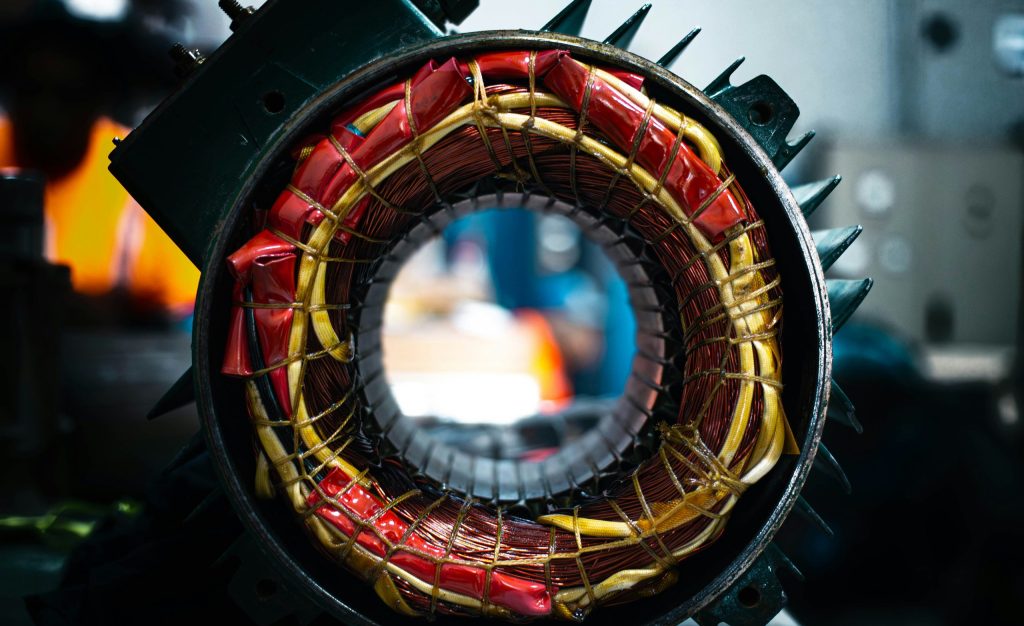
Wiring Your EV Conversion: Centralized vs. Decentralized Architectures (The Route Phase of SPARK)

You’ve come a long way. You’ve picked your donor vehicle, worked through energy calculations, chosen your motor and batteries, and figured out your charging setup. Now what do you do with all these components? They don’t work on their own, they have to somehow work in unison to make the vehicle move the way you […]
Wiring Your EV Conversion: Centralized vs. Decentralized Architectures (The Route Phase of SPARK) Read More »

Charging and Auxiliary Systems for EV Conversions: The Architect Phase of SPARK, Part 3

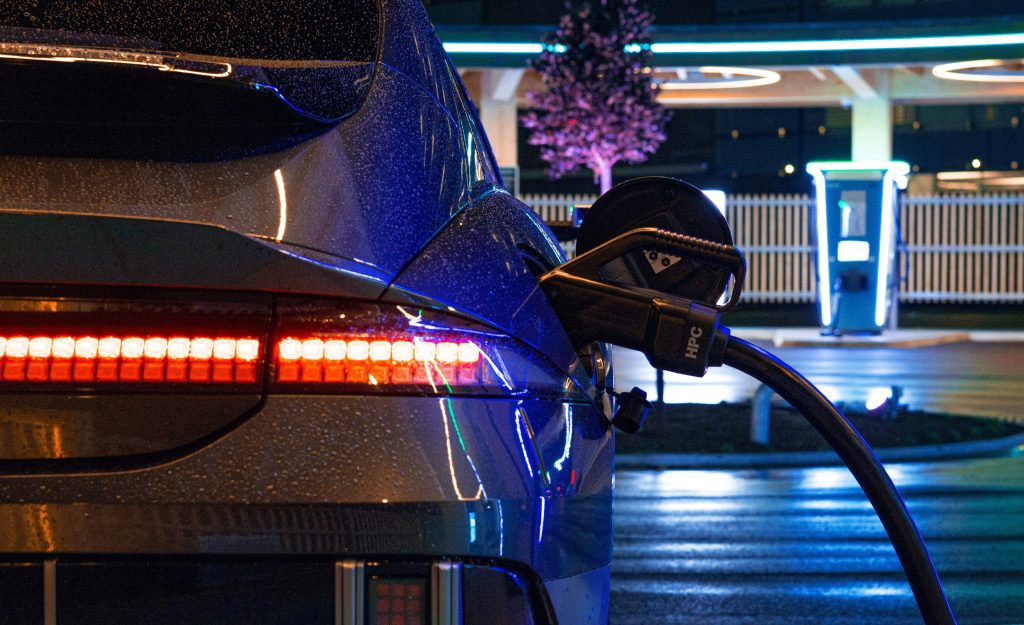
If you’ve been following our series on EV conversions, you already know there’s an exciting balance of art and engineering behind every project. By now, we’ve talked about selecting the perfect donor vehicle, designing your powertrain, and choosing essential components like motors and batteries—now what? Charging your EV and making sure all the accessories work

Charging and Auxiliary Systems for EV Conversions: The Architect Phase of SPARK, Part 3 Read More »

EV Battery Selection for DIY EV Conversions: The Architect Phase of SPARK, Part 2

The heart of any EV conversion is its battery pack. It dictates range, power, weight distribution, and even the overall feasibility of a project. Without a well-matched battery pack, the best motor and controller in the world won’t get you very far—literally. If you’re following the SPARK methodology, you already know that each phase builds

EV Battery Selection for DIY EV Conversions: The Architect Phase of SPARK, Part 2 Read More »

Selecting the Perfect Motor for your EV Conversion: The Architect Phase of SPARK – Part 1

Choosing the right electric motor is one of the most important decisions in an EV conversion. Most likely you already know this, but electric motors behave very differently than internal combustion engines: they deliver instant torque, have fewer moving parts, and often eliminate the need for a traditional transmission. The motor you choose will determine

Selecting the Perfect Motor for your EV Conversion: The Architect Phase of SPARK – Part 1 Read More »

How to Estimate Energy and Power Requirements for an EV Conversion: The Plan Phase of SPARK

Converting an internal combustion vehicle to electric is an interesting project, but it can be daunting without a clear plan. That’s where our EV conversion method, SPARK, comes in. This method allows for anyone to design and plan an EV conversion methodically. Once you’ve defined your vehicle’s operational goals in the Select Phase of SPARK,

How to Estimate Energy and Power Requirements for an EV Conversion: The Plan Phase of SPARK Read More »

Choosing the Right Vehicle for Your EV Conversion: The Select Phase of SPARK

If converting an ICE vehicle into an EV sounds appealing to you, one has to wonder: why? It doesn’t really matter. It might not make sense when you first think about it, but we’ll try to help you see things from a different perspective. It is likely that you are the type of person who

Choosing the Right Vehicle for Your EV Conversion: The Select Phase of SPARK Read More »

Art or Engineering? The New Era of EV Conversions and How to Start

EV conversions have always been a niche pursuit, but their purpose and appeal have evolved significantly over the years. Two decades ago, people turned to EV conversions for practical reasons like reducing fuel costs, minimizing environmental impact, or achieving energy independence. Today, with used electric vehicles like Tesla Model 3s available from Hertz for under $20,000 USD and capable of lasting hundreds of thousands of miles with minimal maintenance, the question arises: why go through the trouble of converting a combustion vehicle to electric at all?

Art or Engineering? The New Era of EV Conversions and How to Start Read More »

Scroll to Top